MKI Encourages National–Regional Collaboration: Waste-to-Energy as a Concrete Solution to Address Waste Issues in Central Java
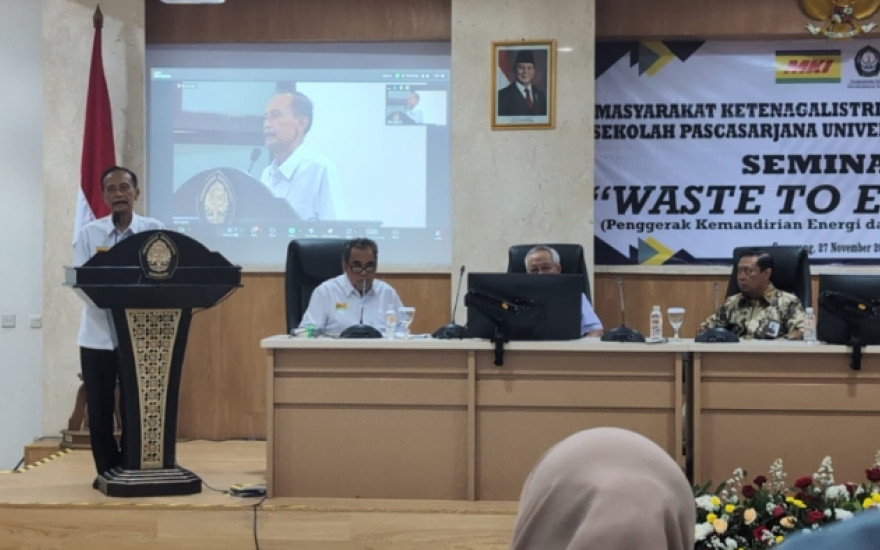
Semarang — The Indonesian Electrical Power Society (MKI) for the Central Java & Yogyakarta (DIY) Region reiterated its commitment to supporting the adoption of Waste-to-Energy (WtE) technology / Waste-to-Energy Power Plants (PLTSa) as a key strategy to address municipal and provincial waste challenges—particularly in Central Java.
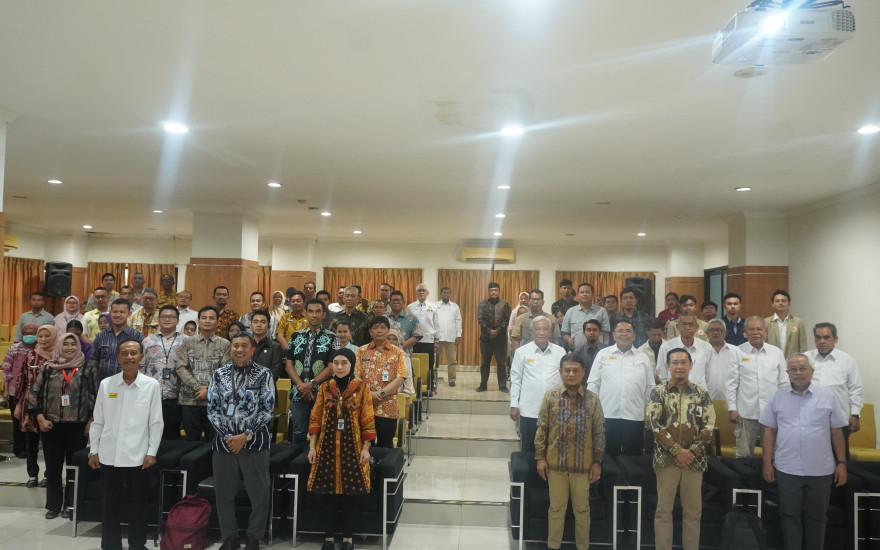
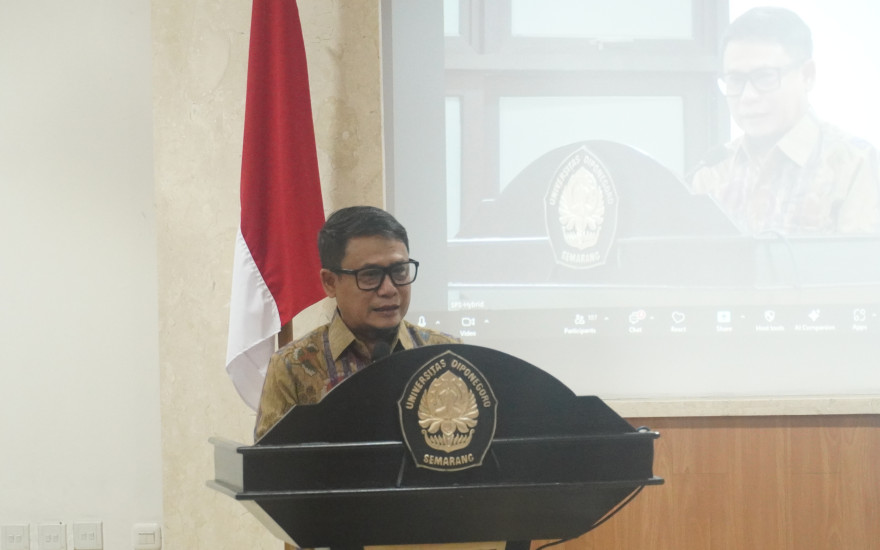
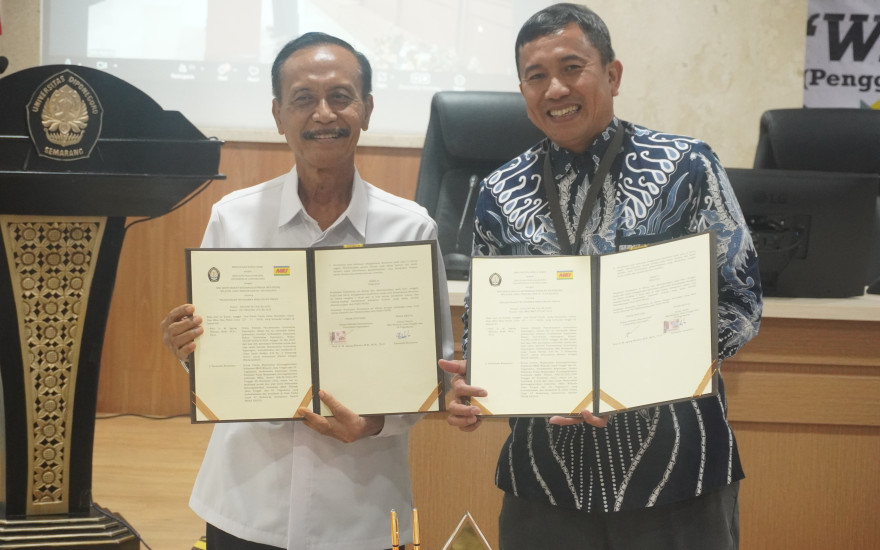
This push was conveyed during a seminar themed Waste to Energy, organized by MKI Central Java & DIY together with the Graduate School of Diponegoro University on Thursday, November 27, 2025.
Soewondo explained that WtE technology presents a major opportunity for local governments to transform accumulated waste at landfills (TPA) into renewable energy via PLTSa. This opportunity is supported by Presidential Regulation (Perpres) No. 109 of 2025, which opens the door for investors, local governments, and PLN to participate.
“This seminar aims to broaden perspectives on the available opportunities. Perpres 109 of 2025 provides room for local governments and PLN to work together in converting waste into energy,” said Soewondo.
With the issuance of Presidential Regulation No. 109/2025 on waste-to-energy processing, MKI sees a significant opening for local governments and investors to convert waste into renewable electricity. This regulation serves as a legal foundation and an opportunity for large-scale WtE/PLTSa implementation.
The high volume of waste in Central Java—where many cities/regencies meet the required waste threshold for PLTSa—positions the province as a strong candidate for establishing WtE facilities. MKI encourages local governments to immediately map their potential, prepare land and infrastructure, and formulate local regulations to ensure projects can proceed optimally.
As an example of an implementation nearing readiness, the Semarang City Government has expressed its preparedness to adopt WtE at the Jatibarang landfill, with construction targeted to begin in 2026. The local government stated that land is available, waste volume is sufficient, and transport systems have been prepared to support the minimum required waste input.
“Semarang City is ready to implement Waste to Energy. We have prepared the land, and the waste volume reaches 1,000 tons per day. Our target is to begin construction in 2026,” said Budi Prakoso, Acting Regional Secretary of Semarang City.
If realized, the WtE project is expected not only to solve waste problems but also to generate renewable electricity while opening revenue opportunities for the region through electricity sales to the utility provider.
WtE offers a dual solution is reducing landfill burden and waste accumulation while providing clean energy that supports national energy diversification targets. With regulatory support, investment momentum, and collaboration among local governments, the private sector, and environmental institutions, WtE can become part of a national strategy to end the waste crisis and accelerate the renewable energy transition.
The implementation of WtE in Central Java could become a model for other provinces/cities in Indonesia, demonstrating that urban waste can be managed productively and environmentally responsibly.
PLN UID Central Java–DIY Senior Distribution Manager, Sumarsono, added that the application of WtE technology aligns with PLN’s Electricity Supply Business Plan (RUPTL) 2025–2034, which targets an increased share of renewable energy. PLN, Sumarsono said, is prepared to support a 20 MW PLTSa powered by 1,000 tons of waste per day.
“PLN is committed to supporting this Presidential Regulation by producing 20 MW of renewable energy from PLTSa, powered by 1,000 tons of waste per day. We are also committed to a 30-year contract, making this project more bankable and attractive for investors,” explained Sumarsono.
MKI encourages provincial and city/regency governments in Central Java to:
-
Map waste potential — calculate daily waste generation to determine WtE/PLTSa feasibility.
-
Prepare regulations & land — ensuring PLTSa development is technically and legally feasible.
-
Foster collaboration with investors & private sector — ensuring project financing and sustainability without relying solely on regional budgets (APBD).
-
Educate the public — to build public support and encourage waste sorting as a habit, supporting smooth WtE operations.
MKI believes that with synergy among all stakeholders—central and local governments, investors, and the community—waste will no longer be a burden but a resource that can be transformed into clean energy. Our collective hope: cleaner cities, a healthier environment, and a greener energy future for Indonesia.